Maria Shriver's Unique Parenting Approach: Standing Up for Mom
January 15, 2025 - 03:01
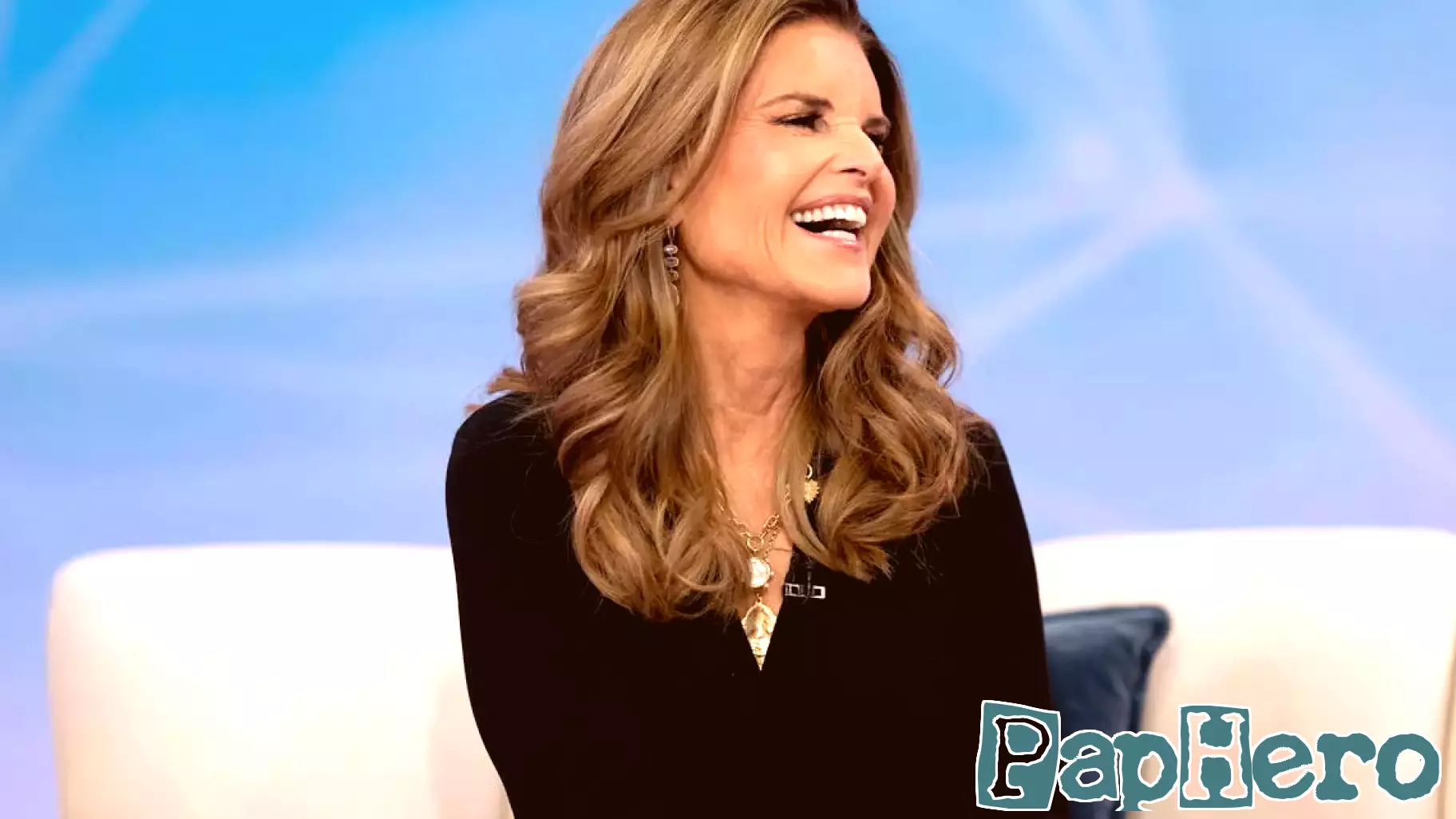
In a recent podcast, Maria Shriver shared an interesting aspect of her parenting style, revealing that she always required her children to stand up when she entered a room. This practice, she explained, was not just about formality; it was a way to instill respect and acknowledgment within her family. Shriver emphasized the importance of recognizing one another, especially in a family dynamic where everyone has their own busy lives and commitments.
By encouraging her children to stand, Shriver aimed to create a sense of connection and unity as they navigated their daily routines. She believes that such gestures, although simple, can have a profound impact on family relationships. This approach reflects her broader philosophy of fostering respect and communication among family members. Shriver's insights resonate with many parents who strive to balance discipline and warmth in their parenting methods, highlighting the significance of small traditions in nurturing strong family bonds.
MORE NEWS

October 27, 2026 - 05:21
The ’70s parenting oversights that affected children’s developing brainsThe 1970s were a time of cultural experimentation, looser rules, and a growing belief that children were resilient enough to `turn out fine` with minimal interference. Many parents embraced...

October 26, 2026 - 09:19
Kristen Bell Gets Real About the Hard Parts of Raising a FamilyKristen Bell is speaking candidly about the less glamorous side of family life. The actress, who shares two daughters with husband Dax Shepard, described parenting as `brutal` during a recent...

October 25, 2026 - 21:22
Rethinking the Drive to Succeed: When a Parent's Push BackfiresFor years, many parents believe that pushing children toward achievement is the key to their success. The drive to excel, the constant encouragement to do better, and the emphasis on results all...

October 25, 2026 - 01:48
Sav-A-Life in Lanett Marks 40 Years of Free Pregnancy SupportSav-A-Life in Lanett is celebrating four decades of service to expectant parents, marking 40 years of providing free pregnancy services, parenting education and ongoing support across the community...